
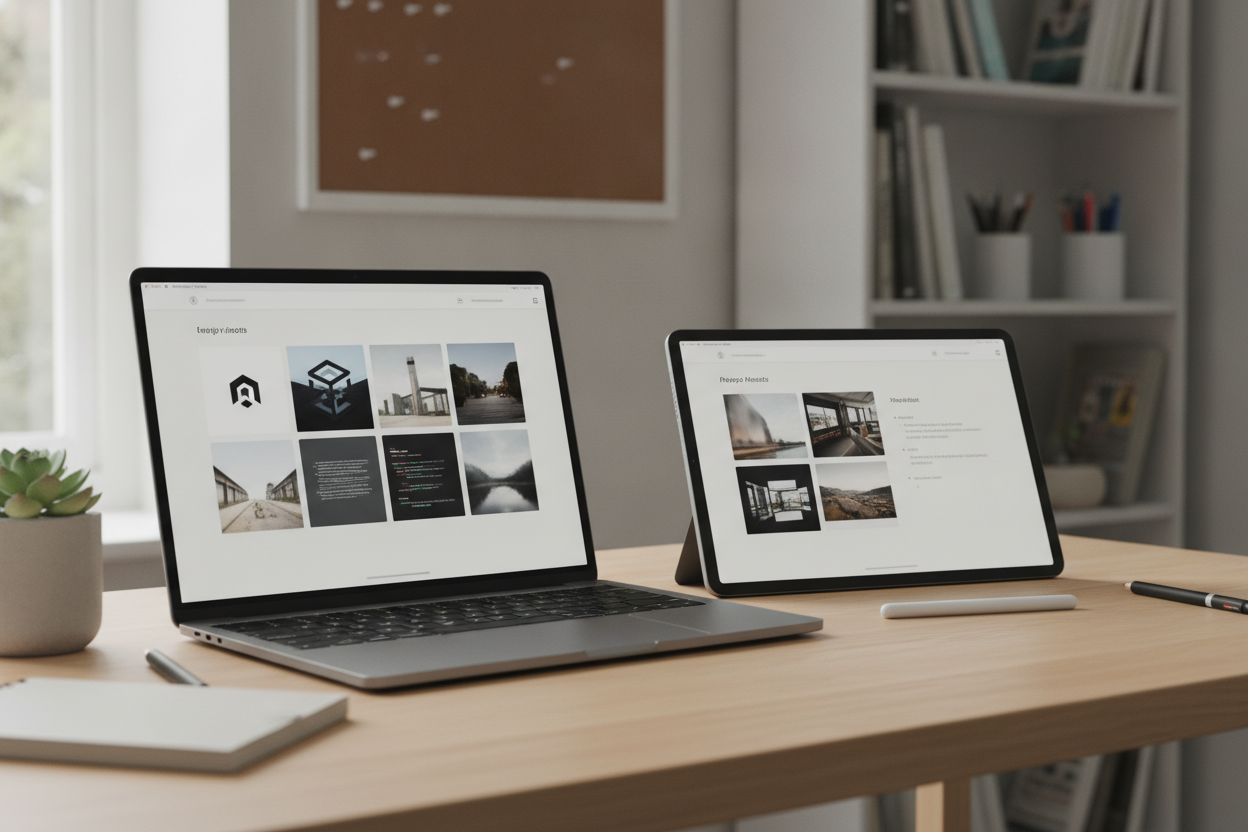
A project portfolio helps visitors see what you can do, even if you are still learning. For a WordPress site, this section does not need to be complicated. A clean portfolio page with a few strong examples is often more effective than a crowded gallery full of unfinished ideas. The key is to present each project clearly and make it easy to update later.
Choose projects that reflect your interests and growth. These might include website experiments, school assignments, design mockups, writing samples, or coding practice. For each project, include a title, a short description, and a note about what you learned. This turns the portfolio into more than a display of work. It becomes proof of progress.
WordPress makes it simple to organize projects in a way that feels structured but not rigid. You can use featured images, excerpt text, and links to create a page that is visually balanced. If you want to keep things beginner-friendly, use a consistent format for each project so the section stays easy to manage. Consistency also makes your site look more polished.
As your skills improve, your portfolio can grow with you. You may add case studies, screenshots, or before-and-after examples. For now, the most important thing is to start. A small portfolio is still valuable because it shows initiative, creativity, and a willingness to learn. That is exactly what makes a personal site worth building in the first place.
Leave a Reply